September 20
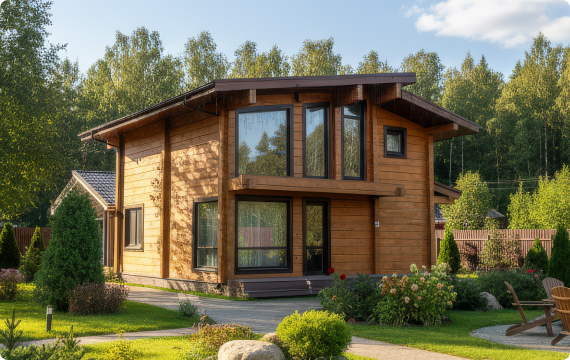
More and more people prefer to live in their own home – in the suburbs, away from the bustle of the city. And although this choice is justified by the undeniable advantages—relaxing in your own garden, playing with children outdoors, barbecues with friends, and other joys of private homeownership—it initially involves the pleasant, yet significant, hassles associated with building a house. Therefore, it's no surprise that the decision to begin building a private home is an important milestone in the life of any family.
At this stage, several important issues will need to be addressed: choosing a construction site, determining a budget, choosing a house design, obtaining a building permit, and selecting a contractor. All issues are equally important, and each will require sufficient attention.
When choosing and purchasing land for a new home, attention is paid to both legal and and practical nuances. The procedure is accompanied by the preparation of numerous documents, Therefore, it is advisable to involve a proven intermediary - a realtor or lawyer.
Determining how to properly build a house is impossible without a detailed inspection of the site where the work will be carried out, and ideally, everything begins with finding the land for construction. Since the comfort of future living directly depends on the location of the site, then when choosing a site, several criteria are used:
Determining how to properly build a house is impossible without a detailed inspection of the site where the work will be carried out, and ideally, everything begins with finding the land for construction. Since the comfort of future living directly depends on the location of the site, then when choosing a site, several criteria are used:
Determining how to properly build a house is impossible without a detailed inspection of the site where the work will be carried out, and ideally, everything begins with finding the land for construction. Since the comfort of future living directly depends on the location of the site, then when choosing a site, several criteria are used:
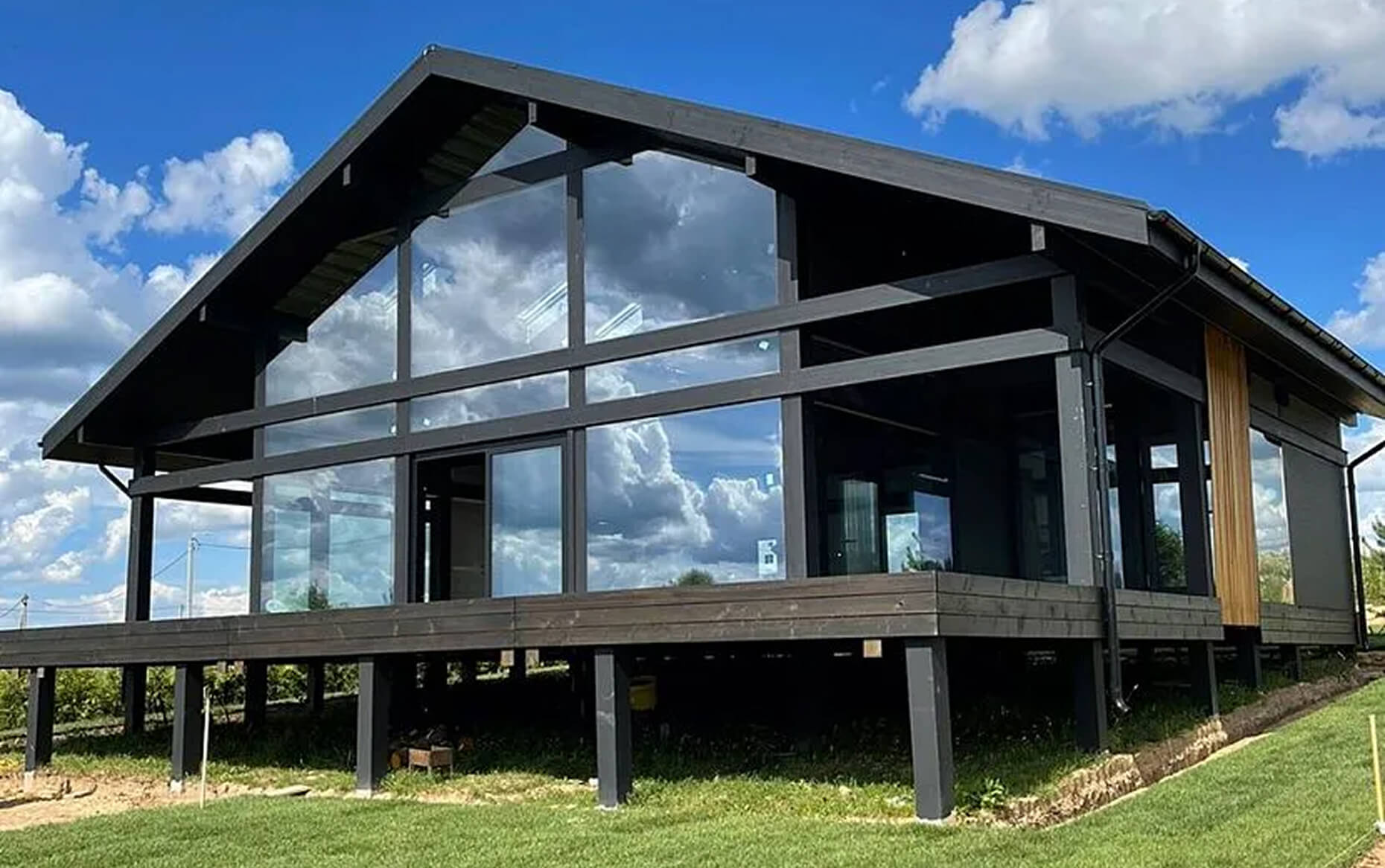
Choosing the right material is a topic for a separate, in-depth discussion. Any material, whether brick, wood, sandwich panels, foam concrete, or aerated concrete, has its own unique set of properties. These qualities can manifest themselves in both positive and negative ways, depending on the context of use.
When choosing a material, local conditions (climate, topography) and economic arguments are decisive. The latter often conflict with the desire to make a home comfortable, reliable, and environmentally friendly. It's important to remember that any home requires thoughtful insulation, a reliable roof, and modern utilities.
In general, block houses (made from aerated concrete) and frame houses (including SIP panels) are cheaper and faster to build. Modular houses take the least amount of time (1-2 days) to install, but they are not the most cost-effective option.
This understandable desire to save money isn't justified when building a house, as it often leads to increased costs down the road. Phased construction of a house requires a detailed preliminary estimate; it's best to prepare this estimate together with the foreman—the construction company.
After the walls and roof are erected, the building's utility costs may seem unjustifiably high, but cutting them without good reason is not recommended.
Some construction companies provide a house plan and a detailed construction estimate absolutely free. Standard designs and modular construction allow you to quickly choose a home, its cost and give confidence in the future home, due to the technology that has been proven over the years.